


Dentist in Dubai Blog, Uncategorized
Snore Divorce: Protect Your Sleep and Your Relationship
01
Nov
Nov
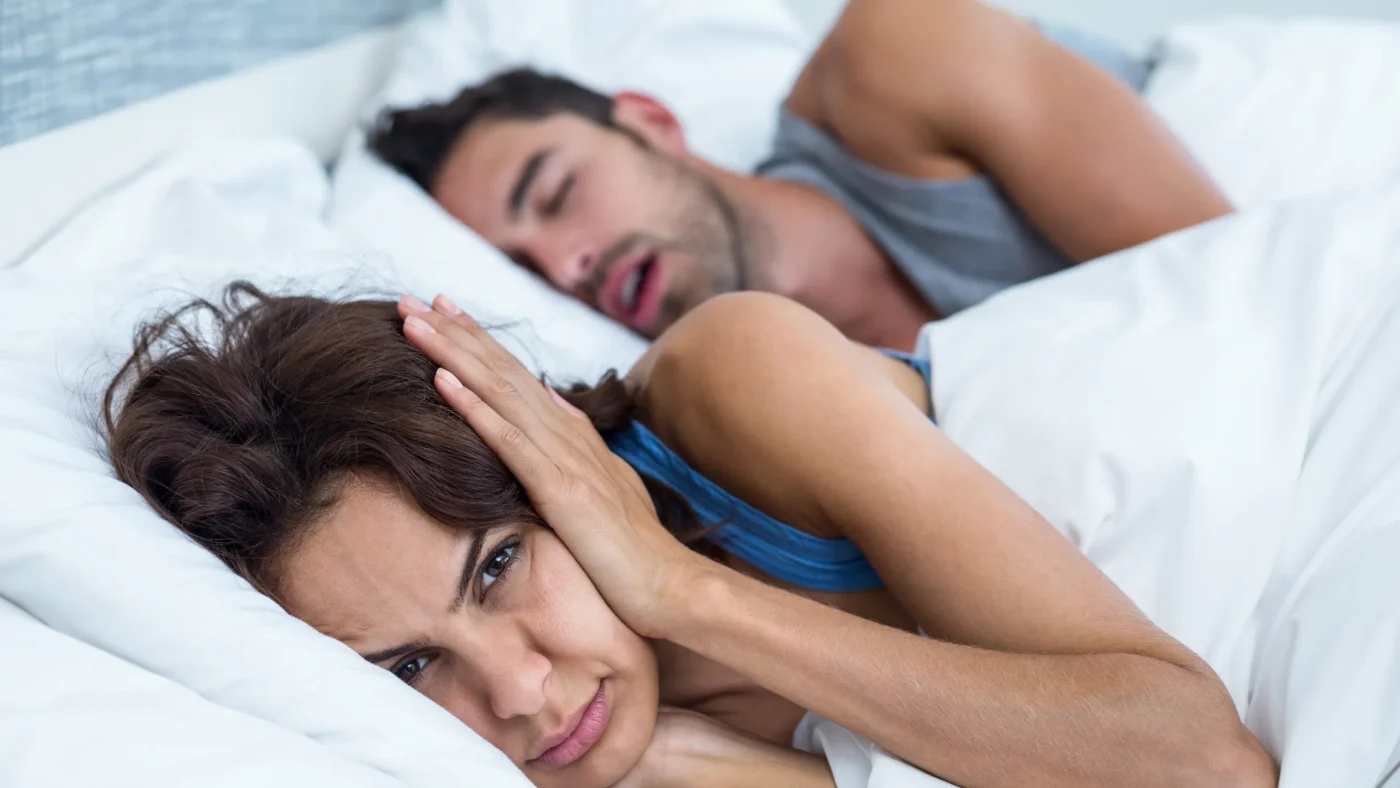
Snoring may seem harmless, but for millions of couples, it’s more than just noise—it’s a serious relationship disruptor. As a dentist and sleep disorder specialist, I’ve seen how unchecked snoring can quietly create emotional distance and even lead to what experts now call “Snore Divorce.”
What Is “Snore Divorce”?
“Snore Divorce” describes when partners choose to sleep in separate rooms—or in severe cases, separate entirely—because of constant, disruptive snoring. While it might sound extreme, sleep deprivation can have deep emotional consequences. When one partner loses rest night after night, intimacy, patience, and connection often erode.
Why Does It Happen?
Snoring does more than interrupt sleep; it affects the entire household’s well-being. Chronic snoring can lead to fatigue, irritability, and reduced emotional closeness. Over time, even small frustrations can build into major relationship strain.
Many couples don’t realize that persistent snoring can be a sign of sleep apnea or other underlying health issues. Left untreated, these conditions can affect not just your sleep quality but your cardiovascular and emotional health.
How to Prevent a Snore Divorce
Taking early and proactive steps can help protect both your rest and your relationship. Here are some proven strategies:
Get a professional sleep assessment—snoring may indicate sleep apnea or another sleep disorder.
Consider custom-fitted oral appliances designed by a dentist to reduce or eliminate snoring.
Improve your sleep hygiene—keep consistent bedtimes, limit alcohol, and sleep on your side.
Treat nasal congestion, allergies, or sinus issues that make snoring worse.
Talk openly with your partner about sleep challenges instead of letting frustration build.
Explore medical options like CPAP therapy if snoring is linked to obstructive sleep apnea.
Take Action Before It’s Too Late
Snoring doesn’t just rob you of rest—it can quietly erode the foundation of your relationship. Early diagnosis and treatment can restore healthy sleep and bring harmony back into your home.
Let’s normalize conversations about sleep health and encourage couples to seek help before “Snore Divorce” becomes their reality. Better nights truly lead to better
relationships.
