
Dentist in Dubai Blog
How Small Daily Choices Can Protect Your Teeth
14
Nov
Nov
Oral disease is one of the most common global health problems, affecting nearly 3.7 billion people. From cavities to gum disease, oral conditions can lead to pain, tooth
loss, and other serious health complications. The good news is that most of these risks are preventable—and your daily diet plays a major role.
According to the World Health Organization (WHO), keeping free sugar intake below 10% of your total energy—and ideally under 5%—significantly reduces the risk of dental caries and related harm. The small decisions you make every day can have a big impact on your lifelong oral health.
The Science Behind a Healthy Mouth Saliva: Your Natural Defense
Saliva is one of the body’s most effective protectors against oral disease. Glycoproteins such as MUC5B help form a protective barrier over teeth, lubricate soft tissues, and regulate bacteria. Low levels of mucin can lead to dry mouth (hyposalivation),
increasing the risk of cavities and erosion.
The Power of Micronutrients
Your nutrient intake has a direct influence on dental and gum health.
Vitamin C supports collagen formation, helping gums heal and stay resilient.
Vitamin D has been linked in multiple studies to lower risk of tooth decay and improved bone and tooth health.
Omega-3 fatty acids (EPA and DHA) from fish or supplements don’t just reduce inflammation—they actively promote healing through specialized molecules known as resolvins and protectins that help restore gum tissue.
Acidity: The Hidden Threat
It’s not just sugar that damages your teeth—acidic drinks are just as harmful.
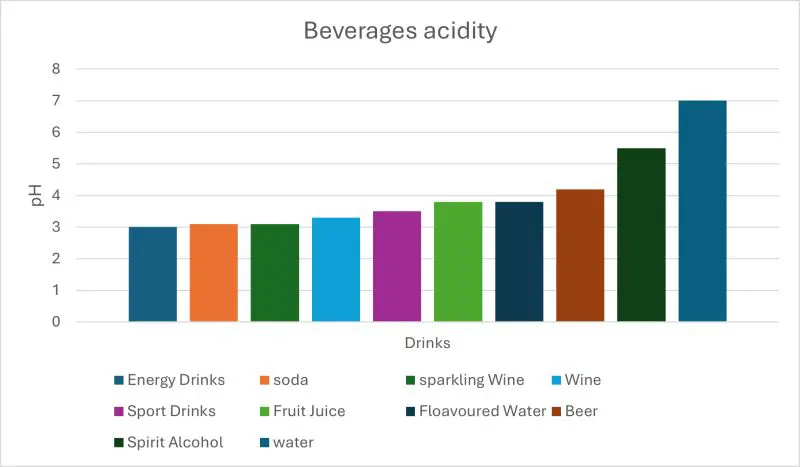
Constantly sipping energy drinks, sodas, or citrus juices keeps your mouth’s pH below the critical 5.5 level, which leads to enamel erosion. Even seemingly healthy beverages can be surprisingly acidic.
Common Drinks Ranked by Erosive Potential
Beverage Type Approximate pH Erosive Potential Energy Drinks 2.4–3.5 Very High
Sodas (especially citrus-flavored) 2.7–3.4 High Fruit Juices 3.3–4.4 Moderate–High
Sports Drinks 3.0–4.0 Moderate Wine 3.0–4.0 Moderate
Flavored Waters 3.0–4.5 Mild–Moderate
Practical Prevention Strategies
Preventing cavities and erosion doesn’t require extreme changes—just consistency.
Reduce sugar frequency and choose whole foods.
Drink water between meals instead of sugary or acidic beverages. Use fluoride toothpaste or mouth rinses as recommended.
Wait 30 minutes after drinking acidic liquids before brushing to protect softened enamel.
If you’re a clinician, include quick dietary assessments in routine checkups. If you’re a patient, start with one small change this week—swap juice for whole fruit or sip water instead of soda.
Small Actions, Lasting Results
Our daily habits are the foundation of lifelong oral health. By understanding how diet,
acidity, and nutrition affect your teeth, you can take practical steps today that preserve your smile for years to come.