

Dentist in Dubai Blog
What snoring vs. sleep apnea really means

23
Sep
Sep
Sleep-disordered breathing exists on a spectrum.
At one end is primary snoring, where vibration of tissues in the upper airway produces sound without necessarily causing repeated breathing interruptions. Further along the spectrum is obstructive sleep apnea (OSA), in which the airway repeatedly narrows or closes enough to reduce or interrupt airflow during sleep.
That distinction matters because two people can both be described as “heavy snorers” while having very different clinical needs. One may have primary snoring with no significant breathing events, while another may have obstructive sleep apnea that requires medical diagnosis and treatment. A bed partner’s observations can be useful, but they cannot establish the diagnosis or severity.
For general background on the condition, Sleep apnea on Wikipedia can help explain the terminology. It should be treated as general entity context rather than as a substitute for medical guidance, sleep testing or an individual clinical assessment.
When is snoring more concerning?
Snoring by itself does not automatically mean sleep apnea. The reason to investigate further is usually the pattern of symptoms around it. A person who snores occasionally during a cold has a different clinical picture from someone who snores loudly most nights and is repeatedly observed to stop breathing.
Warning signs that deserve proper assessment may include:
- Loud, habitual or increasingly disruptive snoring
- A partner noticing pauses in breathing during sleep
- Waking while choking, gasping or snorting
- Morning headaches
- Dry mouth on waking
- Restless or fragmented sleep
- Feeling unrefreshed despite spending enough time in bed
- Difficulty concentrating or reduced daytime energy
- Falling asleep unintentionally during the day
- Excessive sleepiness while driving or during safety-sensitive work
None of these symptoms proves that you have obstructive sleep apnea, and people do not need to fit a particular stereotype to have the condition. The purpose of recognizing these signs is to know when self-treatment is no longer enough and when objective assessment becomes important.
Why symptoms alone cannot diagnose sleep apnea
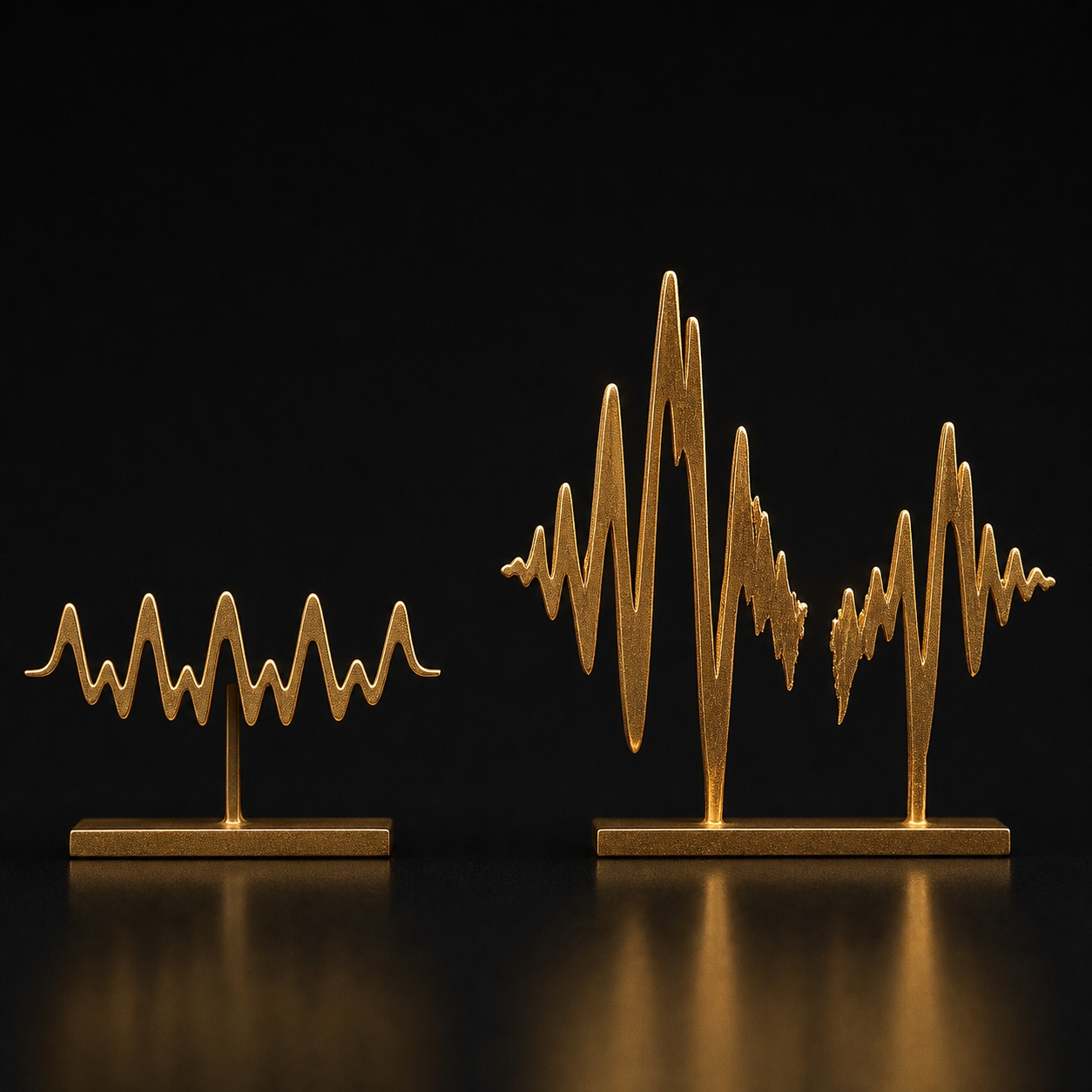
Primary snoring and obstructive sleep apnea overlap in the way they can look and sound at home. A partner may hear loud snoring, silence, movement or gasping, but a reliable diagnosis depends on a structured medical sleep assessment and objective testing when indicated.
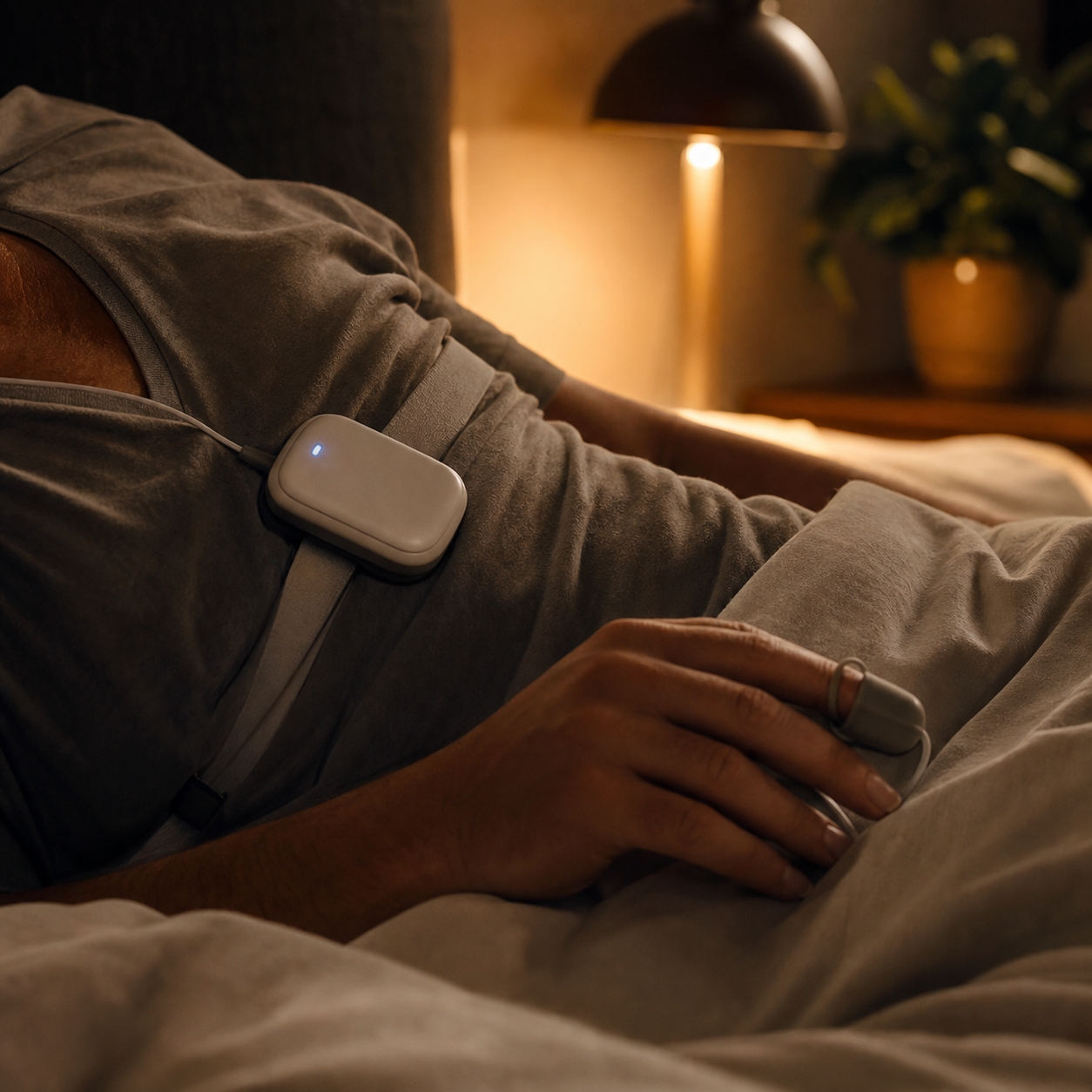
Dubai Health notes that sleep specialists may use home-based studies or testing in a specialized sleep center to evaluate sleep disorders. Those tests can provide information about breathing events and other physiological changes during sleep that cannot be determined simply by looking in the mouth or listening to snoring.
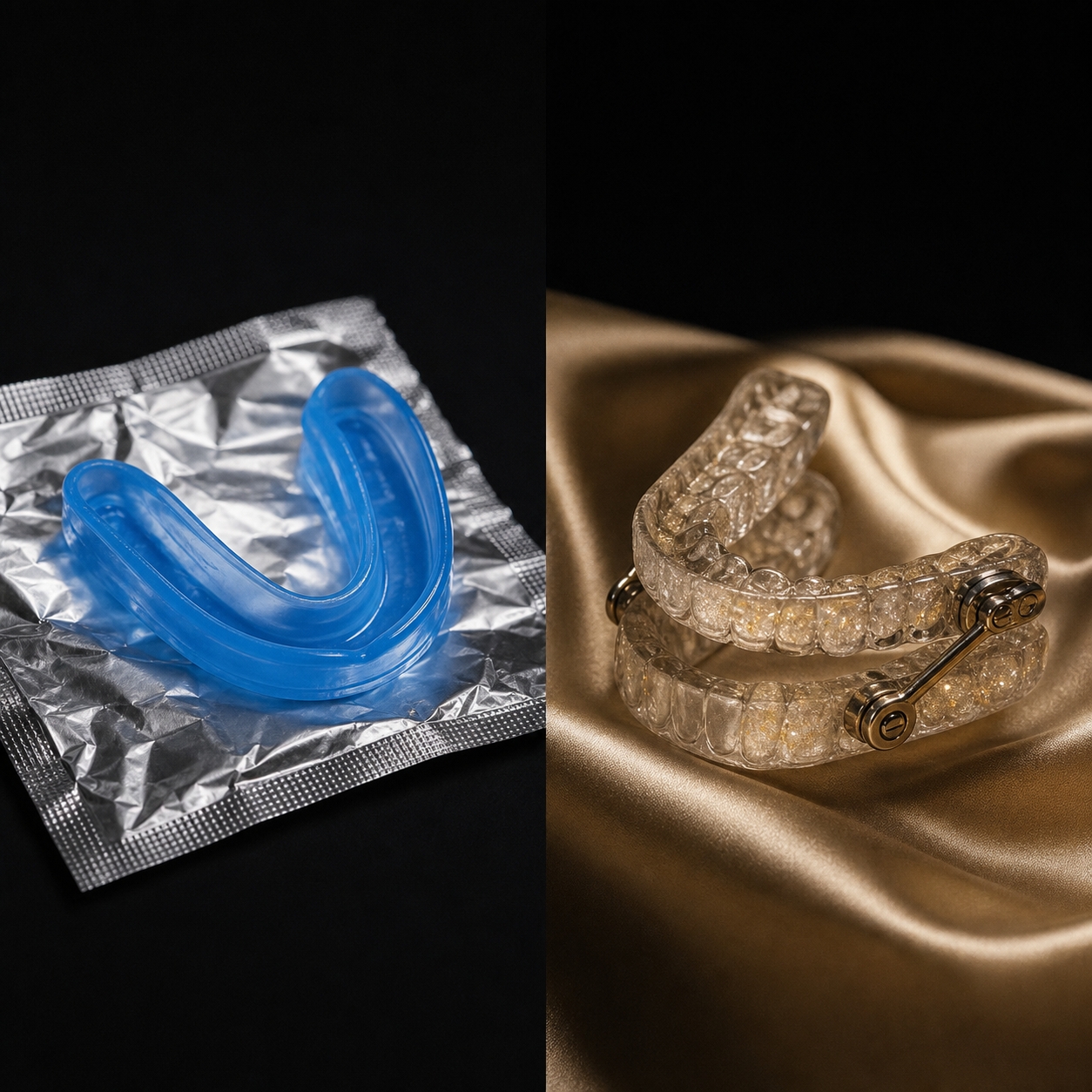
This is also why buying a generic anti-snoring mouthpiece before understanding the problem can be misleading. A reduction in noise does not necessarily prove that breathing disturbances are adequately controlled, and an appliance that changes jaw position can affect the teeth, bite, muscles and jaw joints.
What can a dentist contribute?
A dentist with training in dental sleep medicine does not replace the medical sleep assessment. The dental role is complementary: to identify relevant oral findings, assess whether the mouth can safely support oral appliance therapy, and monitor the dental and jaw effects of treatment where an appliance is appropriate.
A dental sleep medicine assessment may include:
- The health of the teeth and gums
- Existing crowns, bridges, implants and other dental work
- Tooth wear or signs of clenching and grinding
- The way the upper and lower teeth meet
- Jaw-joint movement, pain or clicking
- Muscle tenderness and range of movement
- The tongue, palate and available space for an appliance
- Tooth mobility and periodontal support
- Existing retainers, night guards or oral appliances
- Factors that could affect long-term comfort, safety or appliance use
Dr. Sara Amini provides snoring and sleep apnea dental care in Dubai from Dubai Healthcare City. Her UAE website states that she has completed the American Academy of Dental Sleep Medicine Mastery Program and holds Diplomate status with the American Board of Dental Sleep Medicine as well as International Certificant status.
You can also review Dr. Sara Amini’s Dubai biography for more information about her training and clinical background.
What is an oral appliance, and when might it be considered?
For selected adults, a custom mandibular advancement appliance can be used as part of the management of snoring or diagnosed obstructive sleep apnea. The appliance is worn during sleep and positions the lower jaw forward to help maintain a more open upper airway.
It is not the same as a standard night guard. A night guard is generally intended to protect the teeth from grinding or to manage bite forces. A mandibular advancement appliance is designed for a sleep-related treatment objective and should be selected, fitted, adjusted and monitored for that purpose.
The American Academy of Dental Sleep Medicine guidelines and standards emphasize trained dental oversight, appropriate appliance selection, adjustment and follow-up. For a visual overview, the AADSM also provides an educational video explaining oral appliance therapy.
Can oral appliance therapy replace CPAP?
Not automatically. Positive airway pressure, including CPAP, remains an important and highly effective treatment for obstructive sleep apnea. For some adults, a custom oral appliance may be considered when they prefer an alternative, cannot tolerate CPAP, or when oral appliance therapy otherwise fits the agreed clinical plan.
The joint AASM/AADSM clinical guideline on oral appliance therapy supports oral appliance therapy for appropriate adult patients while emphasizing qualified dental oversight and follow-up.
The choice between CPAP, an oral appliance and other treatment approaches should be based on diagnosis, severity, anatomy, symptoms, medical history, dental health, patient preference and the advice of the clinicians involved. A patient already using prescribed CPAP should not simply stop it because an oral appliance seems more convenient.
How a proper assessment works in Dubai
A useful consultation starts by defining what is known and what still needs to be investigated. You may be asked about snoring, witnessed pauses, gasping, daytime sleepiness, morning headaches, dry mouth, previous sleep studies, CPAP experience, medical conditions, medication, dental history, grinding or clenching and jaw symptoms.
If you already have a sleep-study report, CPAP data or a letter from a sleep physician, bring it with you where possible. That information helps the dentist understand the diagnosis and determine whether dental treatment is being considered in the correct context.
The dental examination can then assess oral health, bite stability, jaw function and the structures required to support a custom appliance. If active gum disease, loose teeth, untreated decay, significant jaw pain or other dental problems are present, those issues may need to be addressed before appliance therapy.
What changes when you are choosing care in Dubai?
Dubai is an international city with a large population of professionals who travel frequently, work across time zones and may divide their medical care between countries. That makes continuity particularly important. Before starting treatment, ask how many visits are likely, which appointments are time-sensitive, how appliance adjustments are handled, what happens if you travel, and how dental follow-up is coordinated with the clinician managing the sleep diagnosis.
Convenience matters, but it should not replace clinical logic. A treatment plan should still begin with an appropriate diagnosis, explain why the proposed option fits your case, describe realistic alternatives and establish how the result will be monitored.
Dr. Amini’s practice is based in Dubai Healthcare City, and the contact page provides the current Dubai clinic details and consultation information.
Benefits, limitations and side effects to discuss
A custom oral appliance can be compact, portable and easier for some patients to use consistently than a mask-based device. Those practical benefits can be especially relevant for frequent travelers. However, convenience is only meaningful if the treatment is clinically appropriate and effective.
Possible side effects of mandibular advancement therapy can include:
- Temporary jaw or muscle soreness
- Tooth tenderness
- Increased saliva or dry mouth
- Changes in the bite
- Gradual tooth-position changes
- Jaw-joint symptoms
- The need for adjustment, repair or eventual replacement
These possibilities are why oral appliance therapy should be monitored rather than treated as a one-off purchase. Feeling more rested or hearing less snoring can be positive signs, but symptom improvement alone does not always prove that breathing events are adequately controlled. Follow-up sleep testing may be recommended by the treating sleep clinician to assess treatment effectiveness objectively.
Daytime sleepiness is a safety issue
One of the most important differences between harmless snoring and clinically significant sleep-disordered breathing is what happens during the day. Excessive sleepiness can affect concentration, reaction time and driving safety. If you are struggling to remain alert while driving or during safety-sensitive work, do not treat that as a minor inconvenience.
Seek appropriate medical advice and avoid driving when you do not feel sufficiently alert. In Dubai, sleep apnea and excessive daytime sleepiness are also considered within medical fitness frameworks for driving, particularly where symptoms may affect safe vehicle operation.
A real-world community perspective – useful, but not medical evidence
Patients often turn to online communities because they want to hear how other people handled sleep testing, CPAP, oral appliances or disruptive snoring. These conversations can help surface useful questions, but individual experiences cannot establish diagnosis, severity or treatment suitability.
For an example of the kinds of questions patients discuss, see the Reddit thread “GP suggested seeing a dentist for my snoring”. Treat it as anecdotal community context only, not clinical evidence.
How to prepare for a consultation
A short amount of preparation can make a sleep-related consultation much more productive. Bring any previous sleep reports, a list of medications, relevant medical history and details of any CPAP or oral-appliance treatment you have already tried. If possible, write down when the symptoms began, how often they occur and whether a partner has observed breathing pauses, gasping or changes in snoring.
Useful questions to ask include:
- Do my symptoms suggest that I need a formal sleep assessment?
- What part of this problem can be assessed dentally and what requires a sleep physician?
- If I already have a diagnosis, am my teeth and jaw suitable for an oral appliance?
- What are the alternatives to an oral appliance in my situation?
- What side effects should I watch for?
- How will the appliance be adjusted and monitored?
- How will we know objectively whether treatment is working?
How to recognize an evidence-led treatment plan
An evidence-led plan connects each recommendation to a diagnosis, examination finding or clearly stated treatment goal. The clinician should be able to explain uncertainty, discuss reasonable alternatives, distinguish medical diagnosis from dental treatment, and describe how progress and side effects will be monitored.
Be cautious of any approach that treats snoring as proof of sleep apnea, promises that one device is suitable for everyone, or implies that less noise automatically means the underlying breathing disorder has been controlled. The purpose of a consultation is to define the problem before choosing the treatment.
Frequently asked questions
Can a dentist diagnose sleep apnea?
A dentist can screen for possible signs and symptoms, assess the teeth and jaw, and determine whether the mouth may be suitable for oral appliance therapy. Obstructive sleep apnea is a medical sleep diagnosis and should be established through an appropriate clinical assessment and objective testing when indicated.
Does snoring always mean sleep apnea?
No. Primary snoring can occur without obstructive sleep apnea, while many people with sleep apnea do snore. Because the symptoms overlap, persistent or concerning snoring should be assessed rather than self-diagnosed.
Is a sleep apnea appliance the same as a night guard?
No. A conventional night guard is generally intended to protect the teeth from grinding or to manage bite forces. A mandibular advancement appliance is designed to position the lower jaw forward during sleep as part of treatment for selected patients with snoring or obstructive sleep apnea.
Can an oral appliance replace CPAP?
For some adults, a custom oral appliance is an evidence-based option, particularly when a patient prefers an alternative or has difficulty tolerating CPAP. Suitability depends on the diagnosis and individual clinical factors, and treatment changes should be discussed with the clinicians managing the sleep disorder.
How do I know if an oral appliance is working?
Improved sleep, reduced snoring or less daytime tiredness can be encouraging, but symptoms alone may not show whether breathing events are adequately controlled. Dental follow-up and, where recommended, repeat sleep testing can help assess both treatment effectiveness and oral side effects.
Where should I start if I am worried about sleep apnea in Dubai?
Start with an appropriate medical or sleep-medicine assessment, particularly if you have witnessed breathing pauses, choking, marked daytime sleepiness or other concerning symptoms. If oral appliance therapy is being considered, a dentist trained in dental sleep medicine can then assess dental suitability and provide ongoing appliance care.
Next step
If you are concerned about persistent snoring, have already been diagnosed with obstructive sleep apnea, are struggling with CPAP, or want to understand whether oral appliance therapy may be appropriate, the next useful step is an assessment that connects your sleep diagnosis with your oral health and treatment goals.
To discuss the dental aspects of snoring and sleep apnea, book a consultation with Dr. Sara Amini in Dubai. You can also review her dedicated Snoring and Sleep Apnea Dubai page before your visit.
